The Eniro Group operates in two business areas. The Marketing Partner business area, which accounted for 64 percent of revenue in 2022, offers local small and medium-sized businesses a comprehensive range of digital marketing services. The offering is delivered through a combination of external partnerships and the group's own local search engines.
The business area helps companies strengthen their digital presence and become easier for potential customers to find. Eniro's well-known directory and search services have thus been complemented by a broader range of digital services tailored to small and medium-sized businesses.
The second business area, Voice, offers customer service and answering services to larger companies in the Nordics. The area also includes directory enquiry services and supports organisations that need to handle large volumes of incoming customer contacts professionally and efficiently.
I stepped in as an automation resource and Delivery Engineer at one of the Nordics' largest directory companies in the middle of an extensive transformation. The organisation was in a period of technical and business change, while a new SugarCRM system was to be rolled out under heavy time pressure.
My task was to improve the project's ability to deliver changes quickly, in a controlled way and repeatedly. The existing release process contained steps that required manual handling and made deliveries dependent on individual people. That increased the risk of deviations and made it harder to create a smooth, predictable flow between development, testing and release.
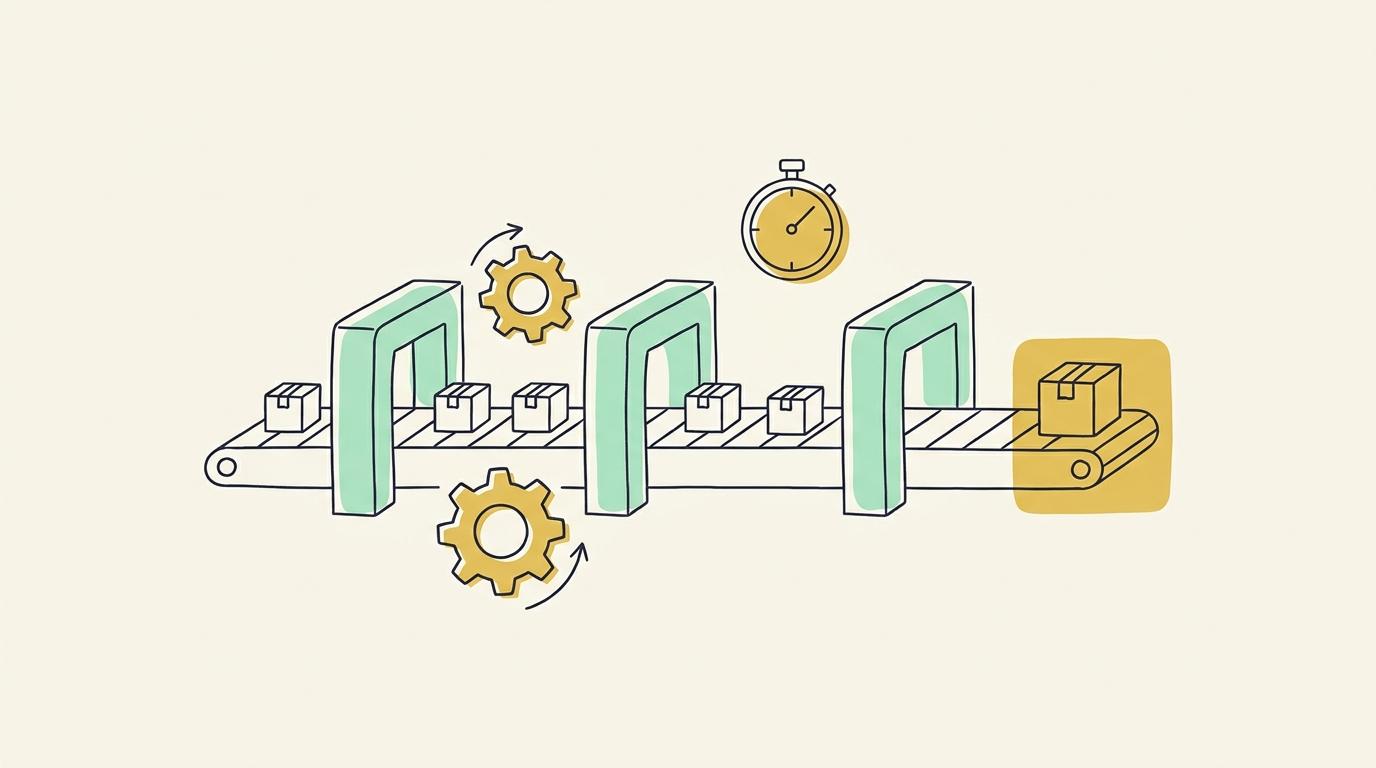
I mapped the existing delivery steps and automated central parts of the release process. With automation tools, recurring steps could be carried out in a more uniform and repeatable way. That reduced manual effort and created better control over how new versions moved between the project's different environments.
In parallel, I improved the test and development flow to give the development team faster feedback on the changes they made. The automation created a clearer link between code changes, testing and delivery, and made it easier to catch problems earlier in the process.
The Delivery Engineer role meant working closely with both developers and other parts of the project organisation. Technical needs had to be turned into practical ways of working that fit within the ongoing CRM implementation. At the same time, the changes had to be introduced without creating further obstacles in a project already working against a tight schedule.
By standardising and automating the delivery flow, releases became less dependent on individuals and more predictable. The project was better placed to handle changes to the SugarCRM solution, verify them in the right environment and move them on towards production in a controlled way.
The result was a more efficient development and test flow with fewer manual steps and a clearer path from development to deployed functionality. The automation helped reduce the risks in the pressured rollout phase, while creating a more stable foundation for the continued maintenance and further development of the CRM platform.