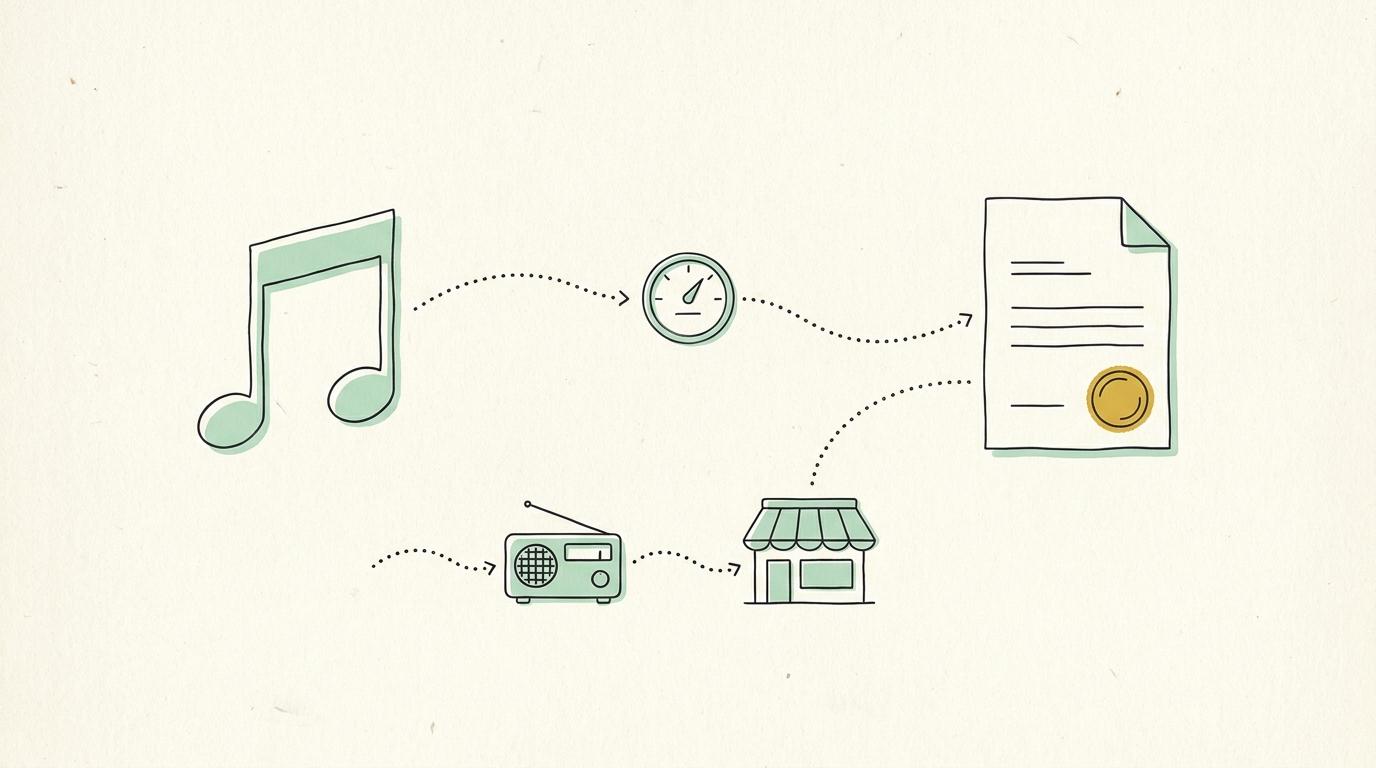
An industry organisation works to ensure that music creators get paid when their music is used publicly — regardless of when, where or how it is played. The organisation acts as the link between the people who create the music and the companies, platforms and businesses that want to use it.
For over a hundred years the organisation has been an important part of the Swedish music miracle, helping to create the economic conditions for long-term, successful music-making. By offering music licences to everything from global streaming services like Spotify to restaurants, shops and local pizzerias, music can be used legally and sustainably while the royalties reach the rights holders.
Behind the licensing lie extensive business processes for agreements, pricing, invoicing and financial follow-up. The price of a music licence can depend on several different factors and has to be calculated according to rules specific to the music industry. When the organisation wanted to use SugarCRM as the invoicing system for its rights and licence management, those rules had to become an integrated part of the regular invoicing flows.
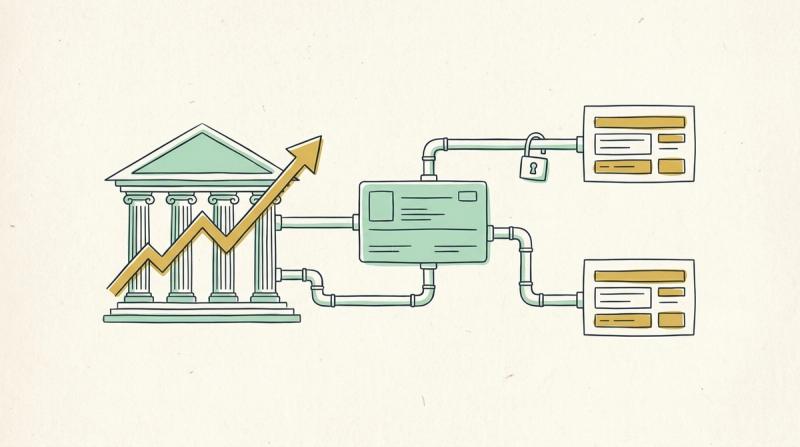
I was responsible for the integration between SugarCRM and the financial system Agresso. The assignment involved creating a stable flow of information between the systems, so that records handled in the CRM solution could be passed on to the financial system for invoicing and further financial processing. At the same time, the integration had to respect the organisation's existing processes and the business logic built up around licences and rights.
As a central part of the solution I also built a frontend application that made the organisation's in-house pricing engine available directly in the invoicing process. Through the application, users could work with the industry-specific pricing alongside the information in SugarCRM, without having to switch between separate systems or handle the calculations manually.
The pricing engine's calculations could thus be used as a natural part of the standard invoicing flow. The output of the specialised business logic was linked to the customer, licence and invoicing information in the CRM system and could then be passed on to Agresso. The solution thereby united a general CRM and invoicing platform with the business's unique rules for music licences.
The work required an understanding of both the technical integrations and the business's complex processes. By translating the industry-specific logic into usable features, a more coherent workflow was created for the case handlers, while the organisation's existing pricing model could be kept.
The result was a solution in which SugarCRM, the in-house pricing engine and Agresso worked together in one shared invoicing flow. It reduced the need for manual handling, created clearer transfer of information between the systems and made it possible to use the organisation's specialised business logic within a standardised technical process.